Introduction:
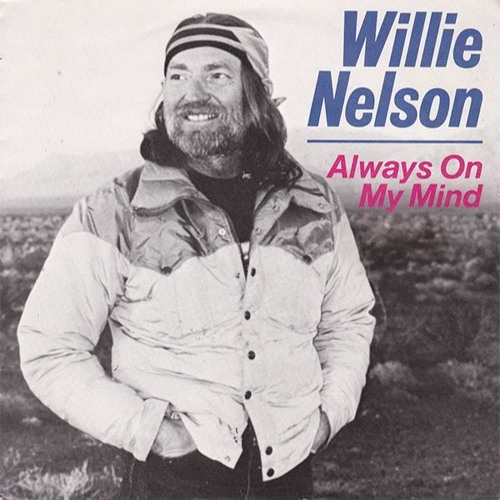
Some songs don’t just tell a story; they confess a truth. Willie Nelson – Always on My Mind is one of those rare pieces of music where every note feels like an unspoken apology, every lyric a heartfelt reflection on love, regret, and the words we sometimes fail to say in time. Originally recorded by other artists before Willie gave it his signature touch, this song found its true home in his weathered, honest voice — a voice that knows the weight of life’s mistakes and the lingering ache of what could have been.
Released in 1982, “Always on My Mind” wasn’t just another country ballad. It became an anthem for anyone who has ever looked back and realized that, despite their best intentions, they hadn’t fully shown their love the way they should have. Willie doesn’t overcomplicate the message. The lyrics are plainspoken, yet they carry a depth of emotion that resonates universally: “Maybe I didn’t love you quite as often as I could have…” With that one line, listeners are transported into their own memories of missed opportunities and quiet regrets.
What sets Willie Nelson – Always on My Mind apart is its sincerity. Willie doesn’t beg for forgiveness, nor does he make excuses. He simply acknowledges his shortcomings with a kind of gentle humility that makes the song feel deeply personal and universally relatable at the same time. His phrasing is conversational, almost as if he’s sitting beside you, sharing a moment of vulnerable honesty.
Musically, the arrangement is understated, allowing Willie’s voice to take center stage. The soft piano, subtle string sections, and mellow guitar lines create a soundscape that feels intimate and timeless. It’s not a grand performance — it’s a quiet confession, which is precisely why it leaves such a lasting impression.
Over the years, “Always on My Mind” has become synonymous with Willie Nelson’s name, even though he wasn’t the first to record it. His version, however, became the definitive one because it captured something no one else could replicate: the quiet ache of a man who understands
For fans of Willie Nelson and lovers of classic music alike, this song remains a reminder that sometimes, the simplest words — when sung with true emotion — are the ones that stay with us forever.