Introduction:
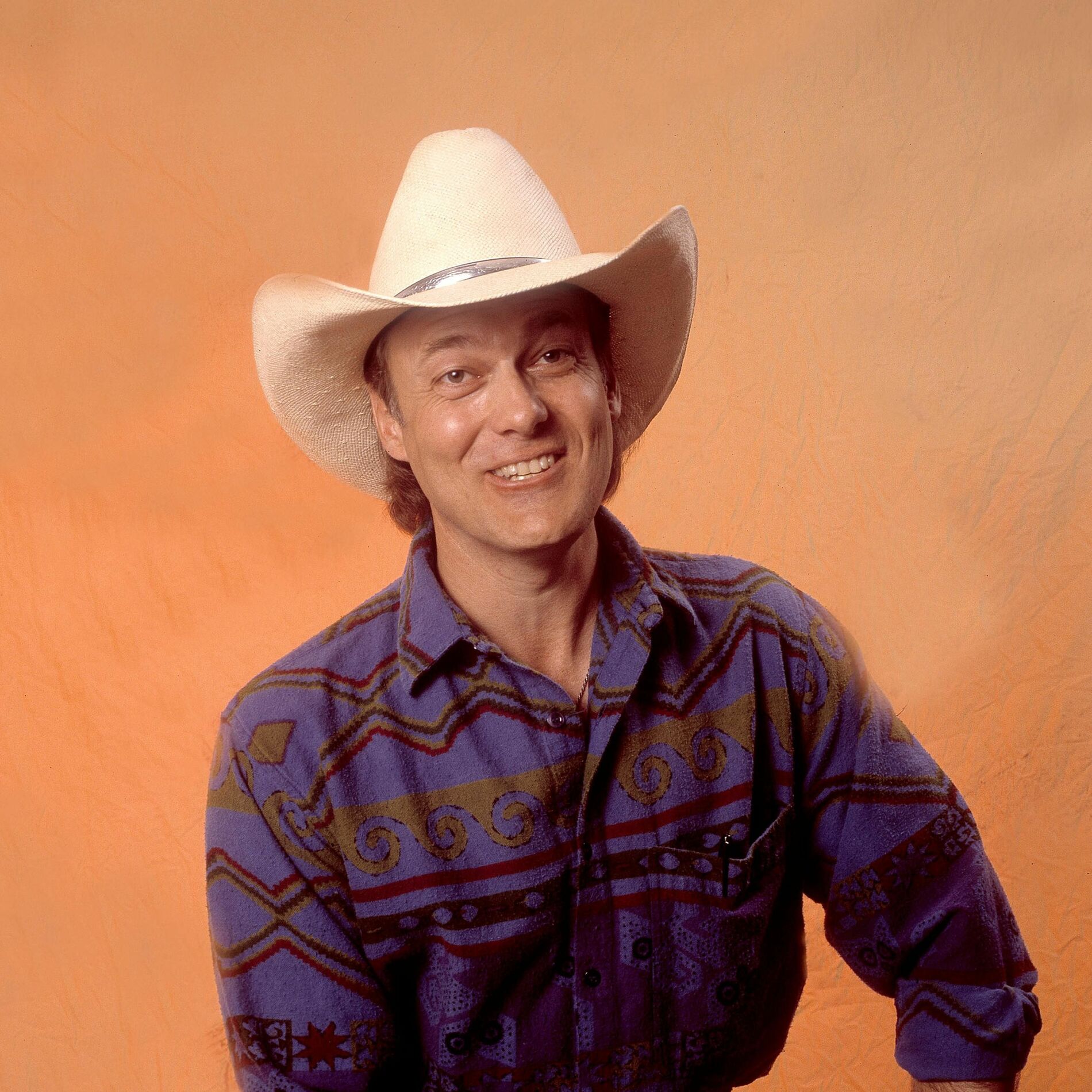
There are songs in country music that tell stories of love, heartbreak, and loss—but every now and then, a song comes along that asks us to listen with empathy rather than judgment. Ricky Van Shelton – Life Turned Her That Way is one of those rare pieces. Originally penned by songwriter Harlan Howard in the 1960s and recorded by several artists over the years, the song reached a new depth of poignancy when Ricky Van Shelton included it on his 1987 debut album Wild-Eyed Dream. With his rich, smooth baritone and his gift for phrasing, Shelton transformed the song into more than just another country ballad. He gave it life as a gentle lesson in understanding and compassion.
At its core, Life Turned Her That Way is not about blame, but about perspective. The lyrics tell the story of a woman whose mistakes and hardened demeanor are not the result of cruelty, but of hardship. Instead of casting her aside, the narrator invites us to see the pain behind her actions—the struggles, disappointments, and heartbreaks that have shaped who she has become. This is classic Harlan Howard storytelling: simple words carrying profound truths.
What makes Ricky Van Shelton’s version so powerful is the way he delivers it. His voice, steady and tender, carries no hint of condemnation. Instead, he sings with warmth and sincerity, as though he himself has known the kind of wounds that life can leave. Backed by gentle instrumentation, his rendition strips away any excess, leaving the message front and center: sometimes people are the way they are because life has dealt them a heavy hand.
For older listeners especially, the song resonates deeply. It reminds us of the people we’ve known who carry invisible burdens—friends, neighbors, or loved ones whose paths were shaped by circumstance. Shelton’s performance makes it impossible not to feel for them, to see their humanity, and to remember that kindness is always the better response.
Even decades later, Life Turned Her That Way endures as one of Ricky Van Shelton’s most memorable recordings. It captures both the timeless artistry of traditional country music and the moral heart that lies at its center: the belief that songs are not just for entertainment, but for teaching, healing, and understanding. In Shelton’s hands, the song becomes not just a ballad, but a reminder that compassion is one of the greatest gifts we can offer to one another.