Introduction:
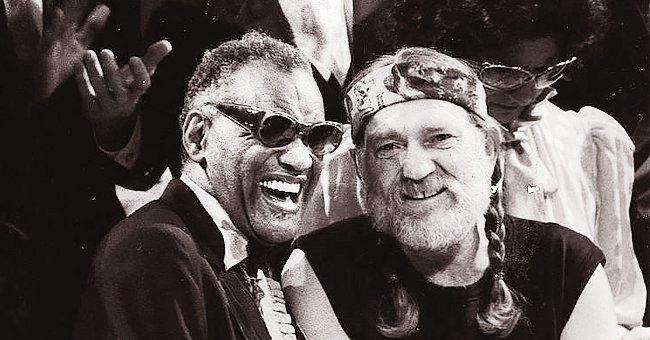
There are songs that tell a story, and then there are songs that live in the listener’s heart long after the last note fades. Willie Nelson – Seven Spanish Angels belongs firmly in the latter category. Originally recorded as a duet with Ray Charles in 1984, the song stands as one of the most hauntingly beautiful ballads in country music history. It is a tale of love, sacrifice, and the thin line between life and death, told through vivid imagery and timeless melody.
From the opening chords, Seven Spanish Angels draws you into a world that feels both cinematic and deeply personal. The narrative follows two lovers caught in a desperate situation, facing overwhelming odds. There’s a sense of inevitability in the lyrics — a quiet knowing that their fate is sealed — yet the tone remains tender, even reverent. This is not just a story about tragedy; it’s a song about devotion, where love holds firm even in the face of finality.
What makes Willie Nelson – Seven Spanish Angels so unforgettable is the emotional weight carried in Nelson’s delivery. His voice, with its familiar blend of warmth and weathered wisdom, wraps around each line like an old friend telling a painful but important truth. Ray Charles’ soulful presence elevates the piece further, adding a gospel-like depth that makes the song feel almost like a hymn.
Musically, the arrangement is restrained yet powerful — understated guitar lines, gentle percussion, and a melody that lingers like a prayer. Every element serves the story, never overshadowing it. This simplicity allows the lyrics to breathe, giving the listener space to reflect on the themes of love, courage, and spiritual grace.
Nearly four decades after its release, Seven Spanish Angels continues to resonate with audiences of all ages. It’s a reminder that the best songs are not bound by time or trend. They speak to the human experience — our hopes, our fears, and our willingness to stand by someone until the very end. In that sense, Willie Nelson’s rendition isn’t just a performance; it’s a piece of living history, a story that will be told and retold for generations.