Introduction:
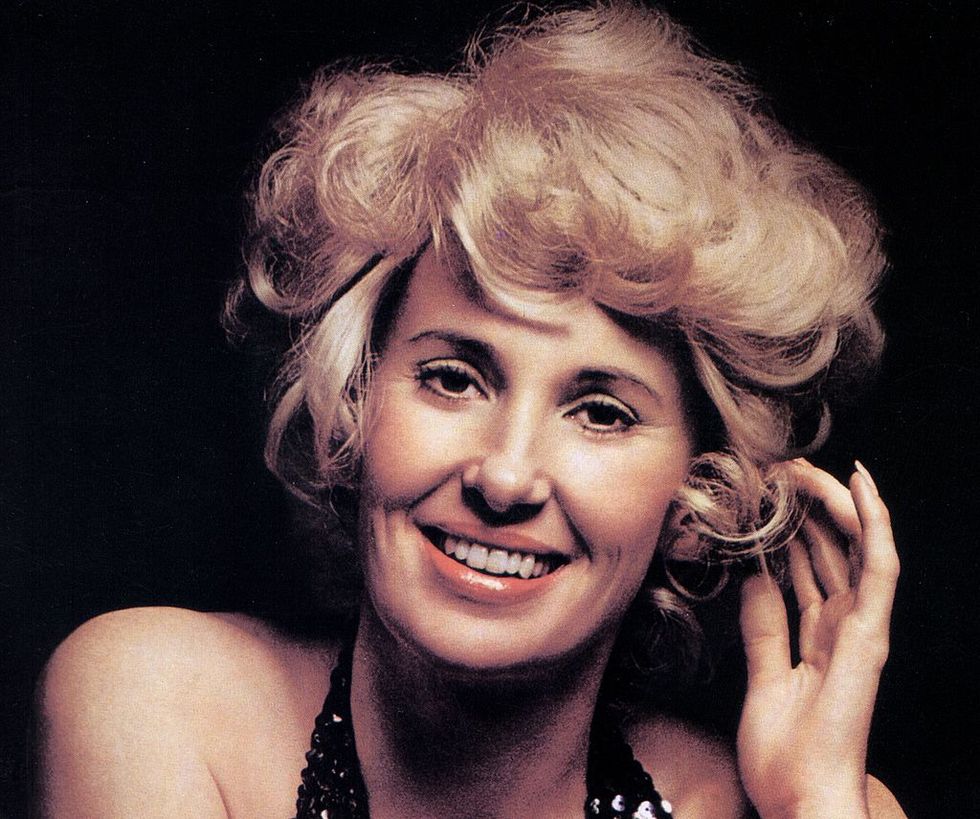
When country music is at its best, it doesn’t just entertain—it tells the truth. Few songs embody that truth more poignantly than Tammy Wynette – I Don’t Wanna Play House, a single that not only cemented Wynette’s place as the “First Lady of Country Music” but also gave voice to emotions often left unspoken in popular music. Released in 1967, the song climbed to the top of the Billboard country charts and earned Wynette her first Grammy Award, establishing her as one of the most important storytellers of her generation.
At its core, Tammy Wynette – I Don’t Wanna Play House is a child’s-eye view of broken relationships. Told with devastating simplicity, the lyrics capture a little girl’s realization that her parents’ marriage has collapsed. What makes the song so haunting is Wynette’s ability to embody both the innocence of the child and the weary sorrow of an adult who has lived through the same heartache. This dual perspective gives the performance an emotional depth that listeners—especially those who had endured divorce or family strife—found unforgettable.
Musically, the song is understated yet powerful. The arrangement relies on a gentle but steady rhythm, allowing Wynette’s aching voice to carry the narrative. Her vocal performance is the centerpiece: tender, trembling, and filled with a quiet desperation that communicates volumes without ever becoming melodramatic. By restraining the instrumentation and letting Wynette’s voice lead, producer Billy Sherrill ensured that every word landed with maximum impact.
What made Tammy Wynette – I Don’t Wanna Play House groundbreaking was its willingness to explore themes that were taboo at the time. In the late 1960s, mainstream country radio was dominated by lighthearted love songs and traditional family ideals. Wynette dared to confront the darker side of domestic life—the reality that not all marriages last, and that children often bear the emotional weight of their parents’ choices. It was an act of honesty that resonated deeply with audiences, many of whom saw their own lives reflected in the song.
More than half a century later, the track still feels raw and relevant. Divorce, family breakdown, and the struggles of raising children in difficult circumstances remain part of the human experience. Wynette’s ability to turn those struggles into a universally understood story is what made her not just a country star, but a cultural voice.
Tammy Wynette – I Don’t Wanna Play House stands as a reminder of why her music endures: it is unafraid of pain, grounded in truth, and delivered with a sincerity that transcends time. For older listeners who lived through those years, and for younger generations discovering it today, the song remains one of the purest examples of country music’s power to touch the human spirit.