Introduction:
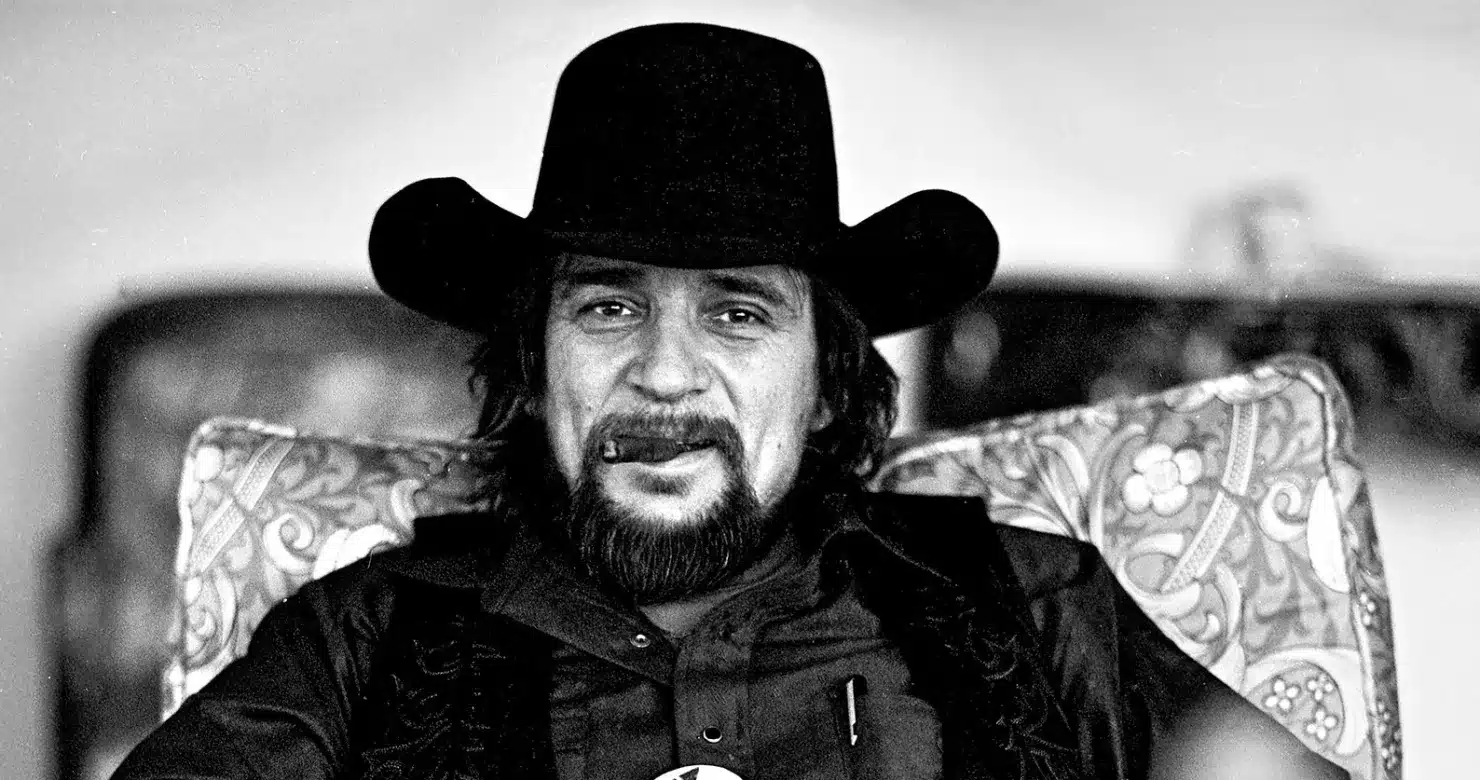
In the quiet stillness of Mesa, Arizona, far from Nashville’s neon lights and the roar of concert crowds, rests the grave of Waylon Jennings. His final resting place is marked by a modest headstone, unassuming at first glance, but carrying the immense weight of a man who helped shape the very soul of country music. For those who know his story, that stone is not just a marker — it is a shrine to a life lived with defiance, passion, and uncompromising truth.
Visitors often remark on the serenity of the cemetery. The desert sun casts long shadows over the landscape, while the breeze whispers through sparse greenery. It feels fitting — no glitz, no stage lights, only a calm reverence for a man whose voice once carried the raw honesty of the American heartland. Fans who make the journey leave behind flowers, guitar picks, handwritten letters, and lyric scraps — small, quiet tokens of gratitude for songs that once gave them courage, joy, and solace.
Those offerings speak to the bond Waylon built with his audience through classics like Luckenbach, Texas, Good Hearted Woman, and Are You Sure Hank Done It This Way. His music wasn’t just entertainment; it was a roadmap for those who valued freedom, authenticity, and the courage to live life on their own terms. Standing by his grave, it isn’t hard to imagine the sound of his gravel-edged voice, still questioning the rules and pushing against the polished veneer of mainstream country.
Waylon’s life and career were defined by that spirit of rebellion. As one of the central figures of the Outlaw Country movement — alongside Willie Nelson, Johnny Cash, and Kris Kristofferson in the legendary Highwaymen — he brought a rawness to country music that rejected formulas and honored individuality. He didn’t just sing about freedom; he lived it. And in the stillness of that Arizona cemetery, his outlaw spirit feels almost tangible, carried on the desert wind like an unseen echo.
Yet his grave is not simply a place of mourning. It is a sanctuary of respect, a space where fans come not only to remember, but to celebrate a man who refused to bend to industry rules. Under the vast Arizona sky, his legacy lives on in every chord strummed, every lyric remembered, every story shared about how his songs helped people through their own journeys.
For many, visiting Waylon’s grave is more than paying respects — it’s participating in a communion of memory. Stories of late-night drives scored by his music, of concerts where his presence electrified the room, of moments where his words gave meaning to hardship, all find a place here. The tokens left behind become part of that dialogue, reminders that his artistry was never about charts or commercial formulas, but about honesty and conviction.
Waylon Jennings’ fight for authenticity was not without struggle, but it is precisely that fight which makes his legacy so enduring. His grave is not the end of his story — it is a reminder that true artistry cannot be silenced, and that a life lived with integrity leaves a mark time cannot erase.
In the quiet desert of Mesa, his influence feels alive. The outlaw spirit rides on, not only in the songs he left behind, but in the hearts of every listener who still hears his voice on the open road of memory. For those who visit, it is more than standing by a headstone. It is standing in the presence of a man whose music will never die.