Introduction:
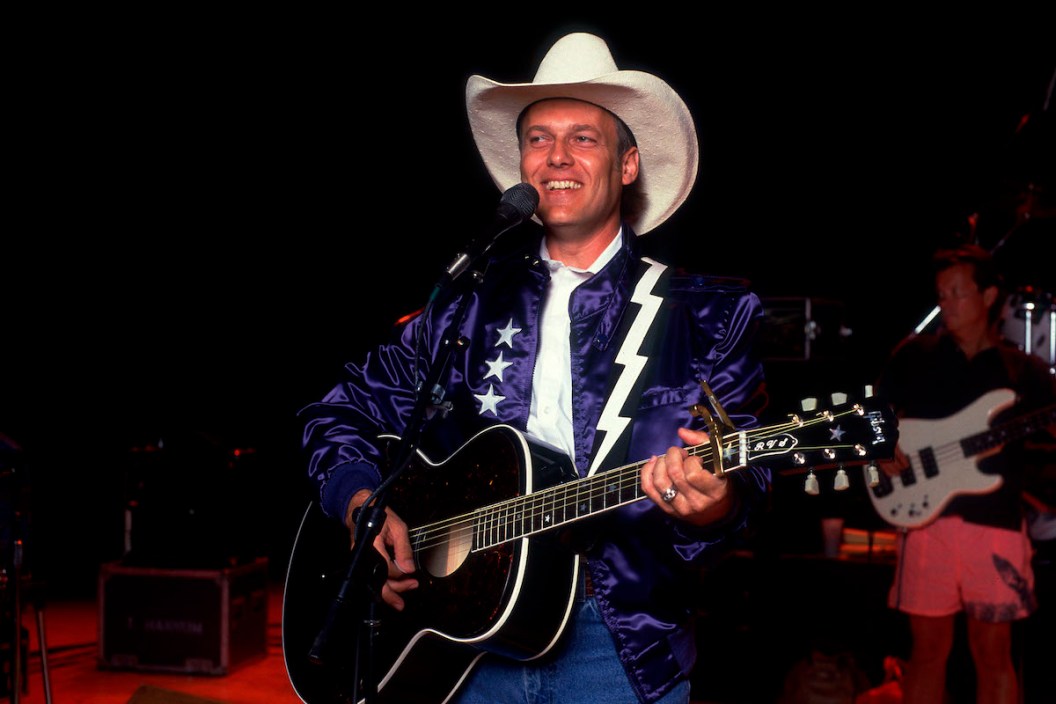
Ricky Van Shelton’s Sudden Goodbye: The Untold Story Behind His Exit from Country Music
In the late 1980s and early ’90s, few names in country music shone brighter than Ricky Van Shelton. With his rich baritone voice and heartfelt delivery, Shelton captivated millions through timeless hits like Statue of a Fool and Life Turned Her That Way. His rise was meteoric — his debut album Wild-Eyed Dream (1987) exploded onto the charts, powered by his first No. 1 single, Crime of Passion.
For a while, Shelton seemed unstoppable. A steady stream of chart-toppers, from I’ll Leave This World Loving You to I Am a Simple Man, made him a household name. By 1990, he was at the pinnacle of country stardom — millions of records sold, sold-out tours, and the respect of his peers. Which is why what happened next shocked fans and the entire industry: at the height of his fame, Ricky Van Shelton walked away.
The decision wasn’t a slow fade — it was sudden, decisive, and, to many, incomprehensible. But behind the glitter of awards and the roar of the crowds, Shelton was fighting a very different battle.
The Cracks Behind the Spotlight
Shelton had always been a private, somewhat introverted man. The relentless demands of life on the road — constant touring, endless interviews, and the pressure to always be “on” — began to weigh heavily. By the early ’90s, his marriage had collapsed under the strain, and the personal toll was becoming impossible to ignore.
Adding to this, years of heavy performing began to take a toll on his voice — his greatest asset. Doctors urged him to slow down, warning that pushing too hard could cause lasting damage. Then, in 1992, came the turning point: after a show, Shelton collapsed from exhaustion. The scare forced him to confront a truth he had been avoiding — that fame was costing him his health, his happiness, and his sense of self.
Choosing Himself Over Stardom
Shelton later admitted that, while he loved music, the industry itself was “crazy” and often dehumanizing. He began to feel like a product rather than a person. The joy of singing had been replaced by the grind of meeting expectations. “I wanted to control my own destiny,” he would say.
So, at the very moment when many artists would double down, Ricky Van Shelton did the opposite — he walked away. No farewell tour, no drawn-out goodbye. Just a quiet, resolute decision to reclaim his life.
The Aftermath
Fans were devastated. Country radio lost one of its most distinctive voices overnight. Rumors swirled — burnout, breakdown, secret health issues — but the truth was simpler and more human. Ricky Van Shelton had chosen peace over pressure, life over legacy.
His story remains a rare example in the music industry: a star who stepped away not because he had to, but because he chose to. In doing so, he left behind more than just hit records — he left a reminder that sometimes the bravest act is knowing when to walk away.