Introduction:
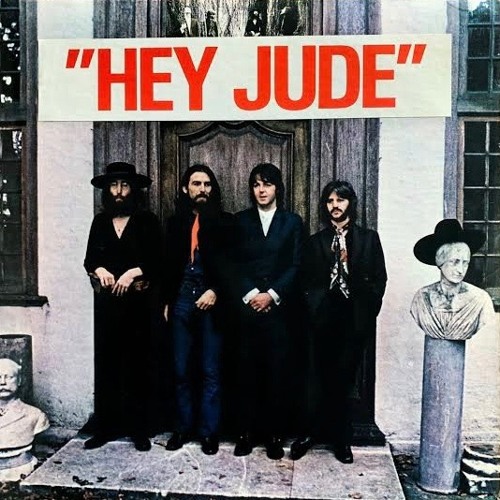
Few songs in the history of popular music have managed to touch so many hearts, across so many generations, with such gentle strength and timeless sincerity. The Beatles – Hey Jude stands as one of those rare anthems—more than just a melody or a chart-topper—it’s a comforting hand on the shoulder, a quiet voice of reassurance in life’s most uncertain moments.
Written primarily by Paul McCartney and released in 1968, “Hey Jude” emerged during a time of great personal and cultural change. The world was shifting, the Beatles themselves were evolving, and yet this song came as a balm—simple in structure, yet rich in emotion. It wasn’t filled with complex metaphors or elaborate instrumentation. Instead, it relied on heartfelt lyrics, a gradually building arrangement, and one of the most memorable refrains in all of music.
What makes The Beatles – Hey Jude so enduring is its emotional clarity. From the opening line, “Hey Jude, don’t make it bad,” we’re invited into a conversation that feels intimate and caring. It’s not just a song sung to a person named Jude—it’s a message to anyone who’s ever faced heartache, disappointment, or fear. McCartney’s voice carries warmth and understanding, never rushing, always steady. The song unfolds patiently, like a trusted friend sitting with you through difficult times.
The crescendo that follows—the iconic “na-na-na” chorus—is more than just a musical hook. It becomes a shared experience. At concerts, in living rooms, through headphones—it’s been sung by millions, each person attaching their own meaning to it. There’s healing in that repetition, a sense of community in that chant. And even after more than five decades, it hasn’t lost its power.
For older listeners who remember the first time they heard it, Hey Jude may bring back a flood of personal memories—of loved ones, of change, of perseverance. For newer generations, it remains a song of gentle encouragement in a noisy world.
In a career filled with legendary songs, The Beatles – Hey Jude remains one of their most human and heartfelt creations. Not because it dazzles with complexity, but because it dares to be simple, sincere, and kind—and that, perhaps, is its greatest brilliance.