Introduction:
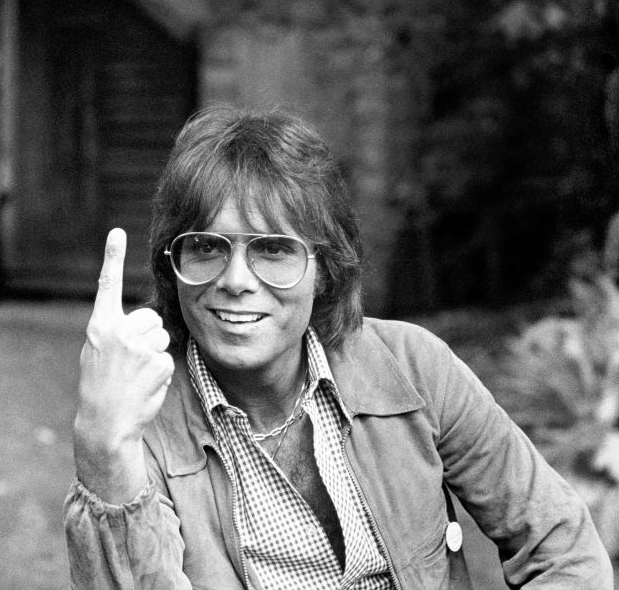
There are certain songs that resonate not because they shout, but because they quietly echo the quiet heartbreak we’ve all felt at one time or another. Cliff Richard – We Don’t Talk Anymore is one of those rare gems—subtle yet emotionally piercing, polished yet profoundly human.
Released in 1979, this track became a major turning point in Cliff Richard’s already legendary career. Known up to that point for his earlier rock and roll and pop ballads, Cliff embraced a new musical era with this song, seamlessly blending his timeless voice with the crisp, synth-driven production that would come to define the late ’70s and early ’80s. The result was nothing short of a renaissance—both for the artist and his loyal listeners.
At first listen, We Don’t Talk Anymore may sound like just another pop tune. But beneath its catchy melody lies a deeply familiar story—one of emotional distance, of conversations that once flowed and now sit in silence. Cliff Richard’s delivery is understated, yet rich with feeling. He doesn’t oversell the pain. Instead, he allows the quiet spaces in the song to do the talking—much like the title itself suggests. There’s a gentle kind of sorrow in the way he sings, almost as if he’s trying to accept a reality that still stings.
The song’s production, led by Alan Tarney, gives it a clean, modern edge for its time without overpowering the sentiment. The soft pulse of the rhythm, the airy backing vocals, and the smooth guitar all work together to create a soundscape that feels both contemporary and timeless.
For many who lived through the late ’70s and beyond, Cliff Richard – We Don’t Talk Anymore isn’t just a song—they remember where they were, who they were thinking about, and how it felt. And for new generations, it offers a quiet reminder that some truths—like the ache of disconnection—are universal.
In the end, the song doesn’t offer closure. It doesn’t pretend to have answers. And perhaps that’s why it continues to strike a chord. Because sometimes, the most powerful moments are the ones left unsaid.